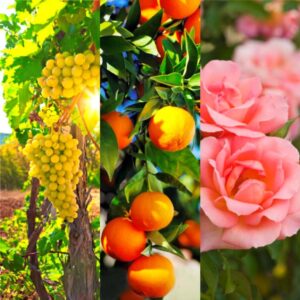



Vine Tree & Shrub Paste is a traditional organic/biodynamic product used to heal, strengthen and protect the outer surface of woody perennials, especially after pruning, but also to heal damage from machinery, storms or even fire. This is the time of year for orchard, vineyard and garden pruning. It is ...
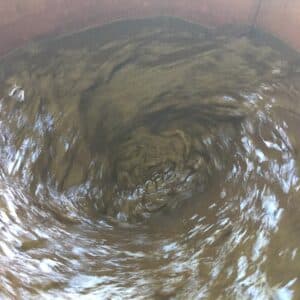
Q: What is biodynamic vortical stirring? A.: The principle behind biodynamic vortical stirring is, putting water and tiny doses of biodynamic preparations through repeated vortexes, chaos and reversals, the water becomes highly charged with the energies contained in the substances. These energies might appear to be subtle but are actually ...
Dennis Klocek’s 2013 Sacred Agriculture. Reprinted with thanks. [Editors note: When we biodynamically stir – that is, with alternating vortexes – we create chaos at each reversal. Unbeknown to most biodynamic practitioners, it is chaos where the energising magic happens, not so much the vortex. This excerpt from Dennis Klocek’s ...
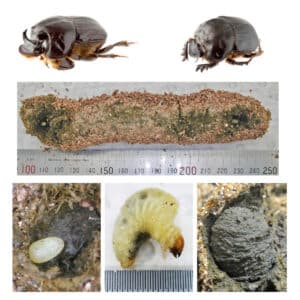
John Hodgkinson with Google AI The scarab beetle, particularly the Scarabaeus sacer species, was revered in ancient Egypt as a sacred manifestation of the divine, symbolizing the sun god Khepri who rolled the sun across the sky and buried it each evening to ensure its rebirth the next morning. This “sacred ...
From a biodynamic perspective, nitrogen-based synthetic fertilizers like urea are considered antithetical to the core goals of agriculture. Biodynamics seeks to treat the farm as a self-sustaining, living organism, whereas synthetic urea is seen as an “external, industrial input that causes dependency and suppresses the very soil life it should nourish”. Here ...
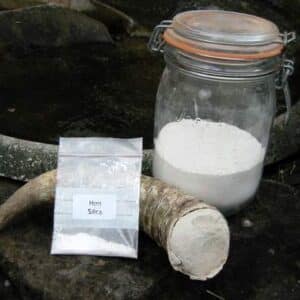
It’s time to plan your biodynamic atmospheric and soil preparation applications for Autumn/Winter. Remember drought or rain – still put out your preparations. The full benefit of biodynamics requires the application of an atmospheric spray, Biodynamic Horn Silica 501, following your soil spray. Back-to-back dates: Australian Eastern Standard Time, Moon ...
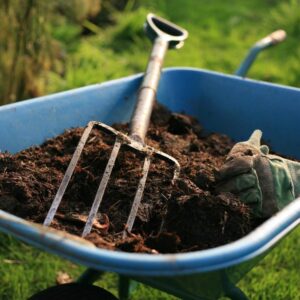
A compost pile is a transformation of dead material into living micro-organisms. Basically, we are assembling a range of components which have the capacity to support the breakdown of cellulose, the growth and reproduction of bacteria and the development of fungi, as well as generating a wide range of plant-available ...
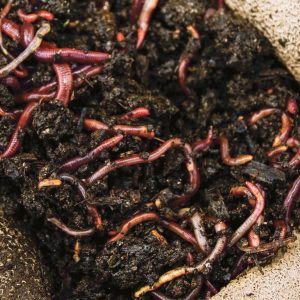
John Hodgkinson We know that compost heaps are sites of transformation. Once-living materials of all kinds (even pollutants and toxic stuff!) are transformed into beneficial and stimulating inputs for the soil food web of our gardens, orchards and farms. Of all the organisms – mostly microorganisms – which perform this ...
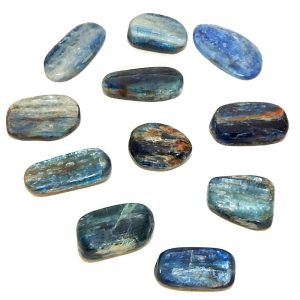
John Hodgkinson The energy of kyanite is unlimited in application, making it one of the best attunement stones. Conscious direction of the energy can also align the emotional, intellectual, physical, spiritual, etheral, astral… bodies with perfection. It brings tranquility and a calming effect to the whole being, with particular focus on the throat ...
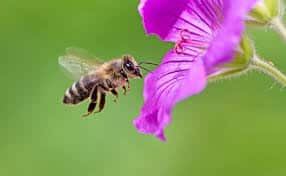
John Hodgkinson My dear bees, I am sorry. Seventy years of association with the European honeybee (Apis mellifera) for me came to a sad end this week when my last remnant-of-a-strong colony absconded. No doubt to cling as a small swarm to some Bellingen bush and make a futile attempt ...